What Is SEO and How Does It Work? A Complete Beginner’s Guide
If you run a website, publish digital content, or manage a business online, you’ve likely heard that “you need SEO.” But what actually is SEO, and how does it drive real growth for your brand?
In simple terms, search engines exist to connect people with the exact information they are looking for. Every second, millions of users type questions, products, and services into Google. Search Engine Optimization is the process that determines which websites earn the top spots on those results pages.
This guide breaks down what SEO is, how search engines analyze and rank web pages, and the core strategies you need to build a sustainable stream of free, qualified traffic to your website.
What Is SEO? (Search Engine Optimization Defined)
SEO stands for Search Engine Optimization
It is the practice of optimizing web pages, content, and site architecture so search engines like Google, Bing, and Yahoo can easily discover, understand, and rank your website.
The ultimate goal of SEO is to increase organic search traffic—visitors who find your website through unpaid search results rather than through paid ads, social media, or direct links.
Why Organic Search Traffic Matters
Unlike paid search advertising (PPC), where traffic stops the moment you pause your ad budget, SEO delivers long-term, compounding results. When your pages rank high on search engine result pages (SERPs), they continue to attract qualified visitors day after day without a direct cost per click.
Organic traffic is also highly valuable because it is intent-driven. When someone searches for a solution to a problem, they are actively looking for answers. Presenting your brand at that exact moment builds immediate trust and authority.
How Do Search Engines Work? (The 3 Core Steps)
To understand how SEO works, you first need to understand how search engines function. Google and other search engines rely on complex software systems to discover, store, and organize content from across the internet.
This process happens in three sequential steps:
1. Crawling: Finding Your Content
Search engines use automated bots (often called “crawlers,” “spiders,” or “Googlebots”) to scan the web for new and updated pages. Crawlers follow links from known pages to discover new ones. If a new web page has no external or internal links pointing to it, crawlers may never find it.
2. Indexing: Organizing and Storing Your Pages
Once a crawler discovers a web page, the search engine processes and analyzes its content. It looks at elements like text, images, video files, heading structures, and metadata to understand what the page is about. If the page meets quality guidelines, it gets saved into Google’s massive database—known as the search index. Think of the index as a giant library containing billions of digital pages.
3. Ranking: Delivering the Most Relevant Results
When a user types a query into the search bar, the search engine searches its index to return the most relevant, high-quality answers. Google evaluates hundreds of algorithmic factors to decide the exact order in which pages appear on the SERP.
The Three Pillars of SEO Explained
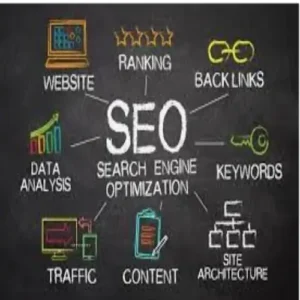
SEO is not a single task; it is a combination of strategies designed to meet search engine quality standards and user expectations. Modern SEO is divided into three core pillars:
On-Page SEO: Optimizing Content and Structure
On-Page SEO focuses on optimizing the individual elements on your web page that both users and search engine crawlers interact with directly.
Key elements include:
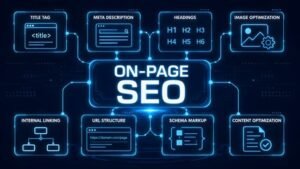
- Keyword Research & Alignment: Identifying the exact phrases your target audience searches for and incorporating them naturally into your content.
- Content Quality & Depth: Writing clear, comprehensive, and helpful content that directly satisfies search intent.
- HTML Tags: Structuring pages using descriptive Page Titles (<title>), Meta Descriptions, and Heading Tags (<h1>, <h2>, <h3>).
- Image Optimization: Compressing images for fast loading speeds and adding descriptive ALT text for accessibility and search context.
Off-Page SEO: Building Authority and Trust
Off-Page SEO involves actions taken outside of your own website to build its authority, credibility, and trust in the eyes of search engines.
Key elements include: 
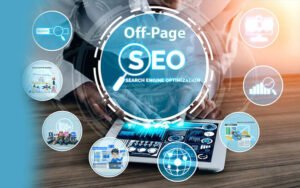
- Backlinks: Links pointing from other websites to yours. Google views backlinks as “votes of confidence.” Quality matters significantly more than quantity—one link from a reputable, high-authority news site carries far more weight than dozens of links from spammy directories.
- Brand Mentions & Digital PR: Getting featured in industry news, blogs, and podcasts to increase brand recognition and online authority.
- Social Signals & Referral Traffic: Driving engaged visitors from social platforms and niche communities back to your published content.
Technical SEO: Helping Search Engines Understand Your Site
Technical SEO focuses on the underlying infrastructure of your site. Even the best content will fail to rank if search engines cannot crawl or render your pages properly.
Key elements include:
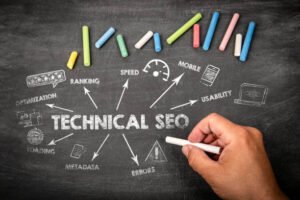
- Page Speed: Ensuring pages load quickly on desktop and mobile devices.
- Mobile- Friendliness: Making sure your site displays seamlessly across mobile devices (Google uses mobile-first indexing).
- Site Architecture & XML Sitemap: Structuring your URL hierarchy and providing an XML sitemap so crawlers can easily navigate your platform.
- HTTPS & Security: Protecting user data with SSL encryption (a direct ranking factor).
Why Is SEO Important for Your Business?
Investing in SEO provides fundamental advantages over relying exclusively on outbound marketing or paid ads:
- Higher ROI Over Time: While SEO requires upfront effort or investment, it generates ongoing organic traffic without recurring pay-per-click fees.
- Builds Brand Credibility: Users trust organic search results. Ranking on page one signals to potential customers that your business is an established leader in your field.
- Captures High-Intent Prospects: People searching for specific services or products are further along in the buyer’s journey than social media users passively scrolling past an ad.
- Improves Overall User Experience: Many SEO best practices—such as improving page speed, clear navigation, and high-quality content—directly benefit your website visitors.
How Long Does SEO Take to Show Results?
A common question among business owners is, “How fast can I rank on page one?”
SEO is a medium-to-long-term strategy. For a new website, noticeable organic search results typically take between 3 to 6 months, and significant competitive rankings often take 6 to 12 months of consistent optimization.
Timelines depend on several factors:
- The age and current domain authority of your website.
- The keyword competitiveness in your specific niche.
- The consistency and quality of content publication.
- The technical health of your site.
- Your off-page link profile compared to established competitors.
Common SEO Mistakes to Avoid
To ensure your search engine optimization strategy yields positive results, avoid these widespread pitfalls:
- Keyword Stuffing: Overloading text with repetitive keywords makes content unreadable and risks automated search engine penalties.
- Ignoring Mobile Users: Designing only for desktop users damages rankings, as Google primarily evaluates the mobile version of your site.
- Publishing Low-Quality, Duplicate Content: Creating thin or copied content fails search engine quality standards and damages site-wide rankings.
- Neglecting Page Speed: Slow-loading sites increase bounce rates and negatively impact user satisfaction and search visibility.
- Focusing on Quantity Over Quality in Link Building: Buying cheap links or using automated link building schemes leads to severe search engine penalties.
Actionable Best Practices for SEO Success
Ready to optimize your website? Follow these core best practices to set your SEO strategy on the right path:
- Understand Search Intent Before Writing: Search for your target keyword on Google first. Study the top 5 results to understand what format, depth, and angle users are looking for (e.g., how-to guides, listicles, or product pages).
- Write for Humans First, Search Engines Second: Ensure your text flows naturally, uses conversational language, and directly answers user questions before checking keyword placement.
- Structure Content with Clear Headings: Use short paragraphs, bulleted lists, and logical <h2> and <h3> tags to make articles simple to scan.
- Optimize Meta Tags and Slugs: Write clear, click-worthy titles and meta descriptions that accurately describe your content while keeping URL slugs short and descriptive.
- Regularly Audit and Update Content: SEO is an ongoing process. Update old posts with current statistics, updated examples, and fresh information to maintain rankings over time.
FREQUENTLY ASKED QUESTIONS (FAQs)
What is the difference between SEO and SEM?
SEO (Search Engine Optimization) focuses on gaining organic, unpaid traffic through content and technical site improvements. SEM (Search Engine Marketing) is a broader term that encompasses both organic SEO and paid search advertising strategies like Google Ads (PPC).
Is SEO free?
While you do not pay search engines like Google to rank organically, SEO is not completely free. It requires time, strategy, content creation, and technical effort. However, unlike paid ads, the traffic generated from organic rankings does not cost per click.
Can I do SEO on my own without an agency?
Yes. Anyone can learn and implement basic SEO principles—such as keyword research, content creation, and on-page optimization—using free tools and online learning resources. Complex technical audits or enterprise-level campaigns, however, may require specialized expertise.
How often does Google update its search algorithm?
Google makes minor updates to its search algorithms multiple times per day. Additionally, Google rolls out several major “Core Updates” each year aimed at improving search quality and ensuring relevant, authoritative content is rewarded.
Why is my website not showing up on Google?
Common reasons include: your website is brand new and hasn’t been crawled yet; your site or page is set to “noindex”; search engine bots are blocked by your robots.txt file; or your site lacks sufficient content quality and external links.
Conclusion: Taking Your First Steps with SEO
Search Engine Optimization is not a one-time fix or a set of secret tricks. It is the process of continuously making your website clearer, faster, and more useful to real humans.
By mastering the fundamentals—understanding how search engines crawl and index pages, optimizing your on-page elements, and consistently producing high-value content—you can build a sustainable digital asset that drives organic growth for years to come.
Start by identifying the primary questions your target audience is asking today, and build your content strategy around delivering the best answers online.
Ready to Boost Your Organic Rankings?
Unsure where your website stands with Google?
Discover actionable steps to improve your site’s search visibility and performance.

